Starter, 6.6 kW
The system most households begin with. Covers the daytime load and keeps the approvals simple.
- Panels 15, Canadian Solar or Sungrow
- Inverter 5 kW
- Battery Ready to add later
- Makes about 26 kWh a day

Solar and battery across Victoria — houses, sheds and commercial roofs. We size the system on your actual bills, handle the rebate paperwork, and show you the payback before you sign anything.
What makes a system worth doing is when you use the power, not how big it is. That changes completely between a house, a business and a farm — so the design does too.
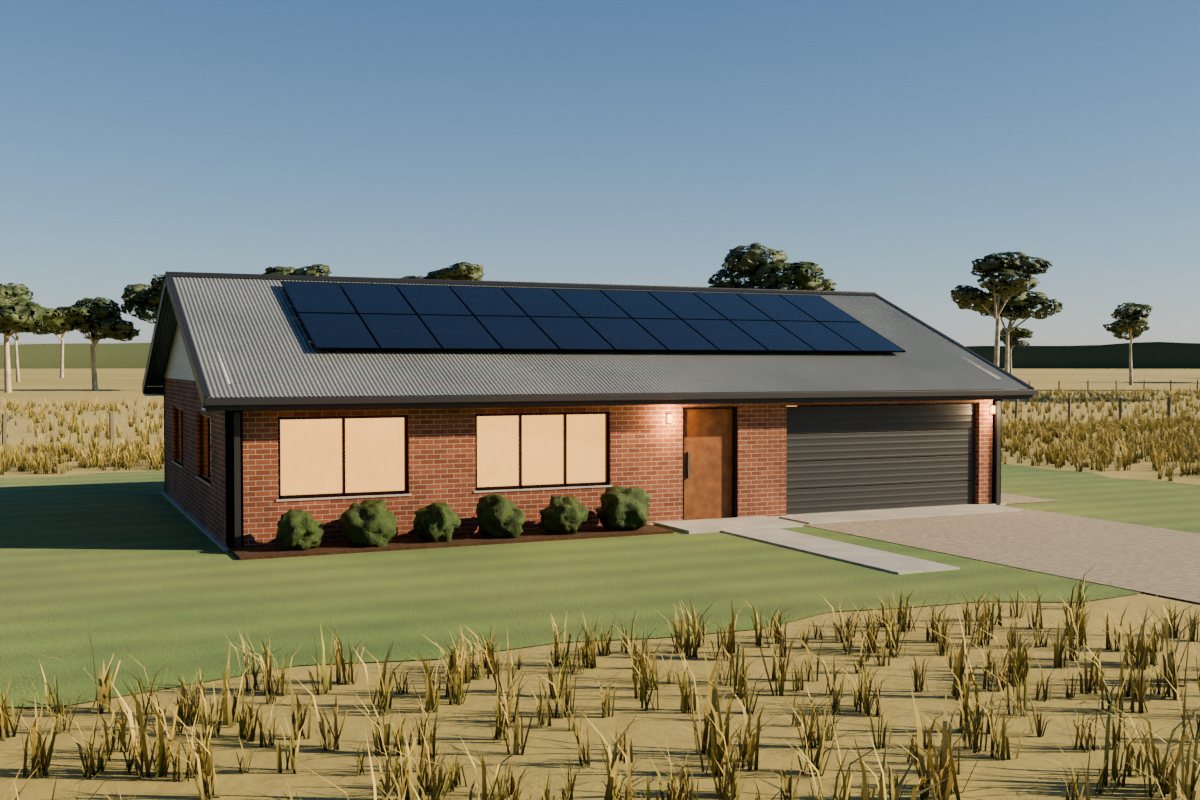
Most Victorian homes land between 6.6 kW and 13.3 kW on single phase. Big enough to cover the daytime load and the hot water, with enough left over that a battery has something to store by the evening peak.
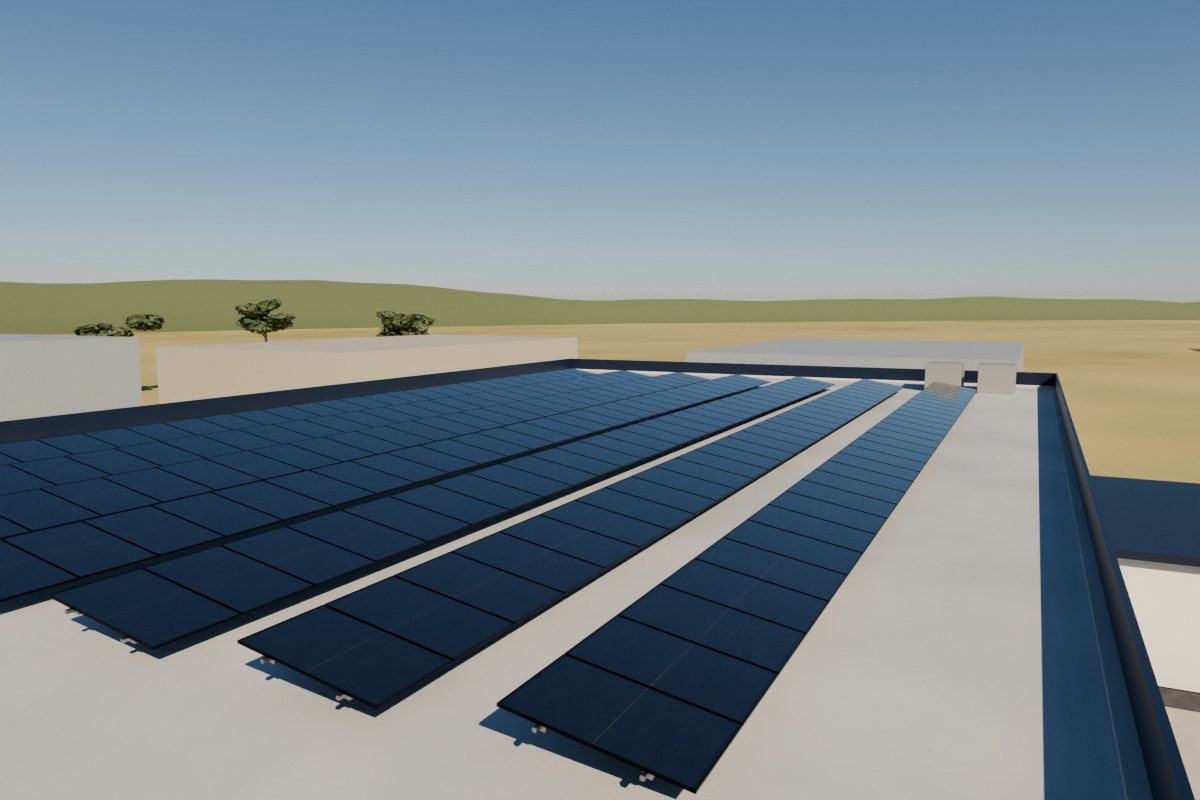
Commercial load sits in the middle of the day, which is exactly when the roof is producing — so most of what you generate never touches the grid. Flat roofs take tilt frames, three phase opens up bigger inverters.
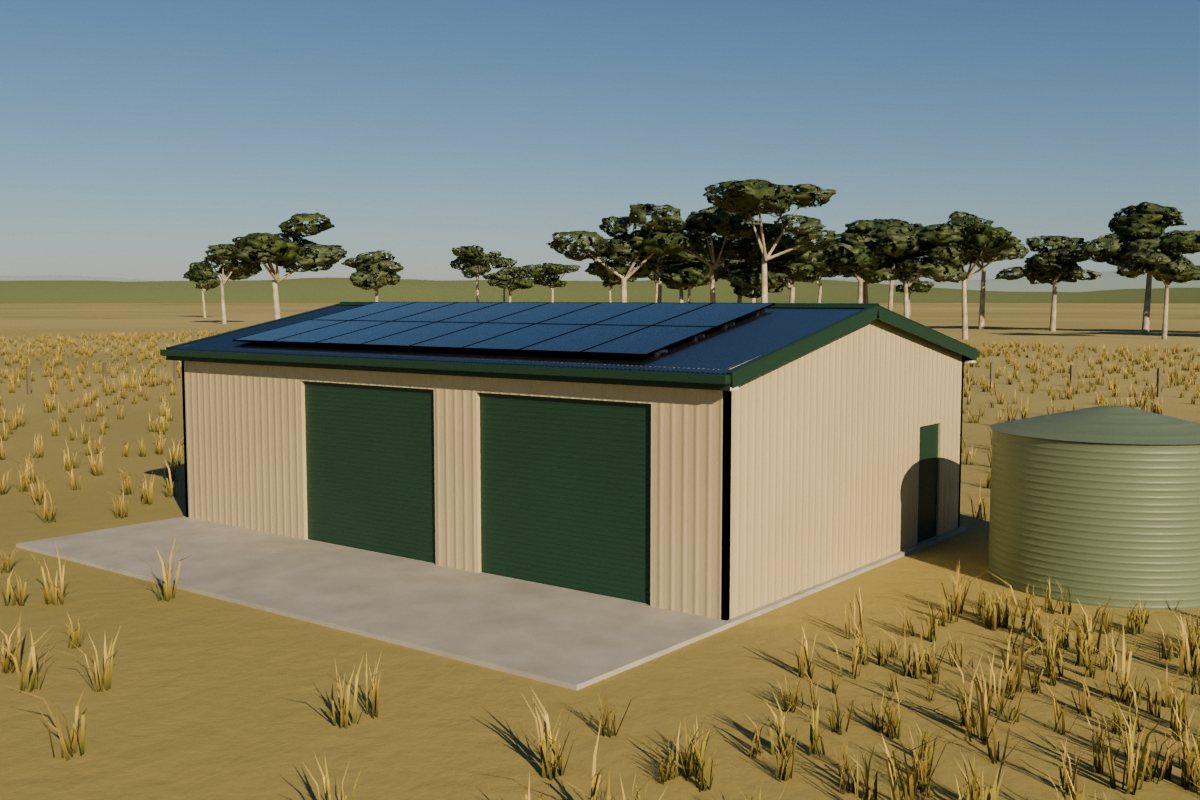
Shed roofs are the best mounting surface going — big, simple and already facing the right way. Pumps, dairies, cool rooms and sheds run through daylight, and farm sites can take systems well past 100 kW into megawatt scale.
Four separate schemes, four sets of rules. They come off your quote, not back to you later — and the applications are ours to lodge, not yours.
Solar Homes eligibility is tighter since 1 July 2026 — there is a household income cap and a property value cap, and rebates are released in monthly batches. Applications for the panel rebate and loan close 30 June 2027, after which residential solar moves into the VEU program. We check what you qualify for before quoting, so the figure on your quote is the one you actually pay.
Slide to what you pay now and see the system that usually fits, what it makes, and roughly what it takes off the bill. Figures are for a Melbourne roof with decent orientation and no shading.
About 20 kWh a day. A 10 kW system is the usual fit.
The most you can usually fit on single phase without a battery. Suits a big household, ducted heating and cooling, or a home with an EV charger.
How the saving is worked out: your bill less a $1.25 daily supply charge, at 27c a kWh, in line with this year's Victorian Default Offer. It counts only the power you use yourself — about a third of your usage straight off the roof, or up to three quarters once a battery carries the evening. Anything your retailer pays for exports is on top. Your quote uses your real meter data instead.
Starting points, not price tags. Each one gets re-drawn around your roof, your switchboard and your bills before you see a number.
The system most households begin with. Covers the daytime load and keeps the approvals simple.
Enough roof to run the house through the day and fill a battery for the evening peak.
Large homes, workshops and sheds with real daytime load. The step before a full commercial design.
Daily figures are averages across the year for a well-oriented Melbourne roof. Prices move with the certificate rate and with your roof, so each system is quoted rather than advertised.
A heat pump for hot water, a reverse-cycle split, an induction cooktop, a car on a charger — each one moves a bill off gas or petrol and onto the meter. Done in that order, the roof is already paying for the load before it arrives. Done the other way round, you just swapped one bill for another.
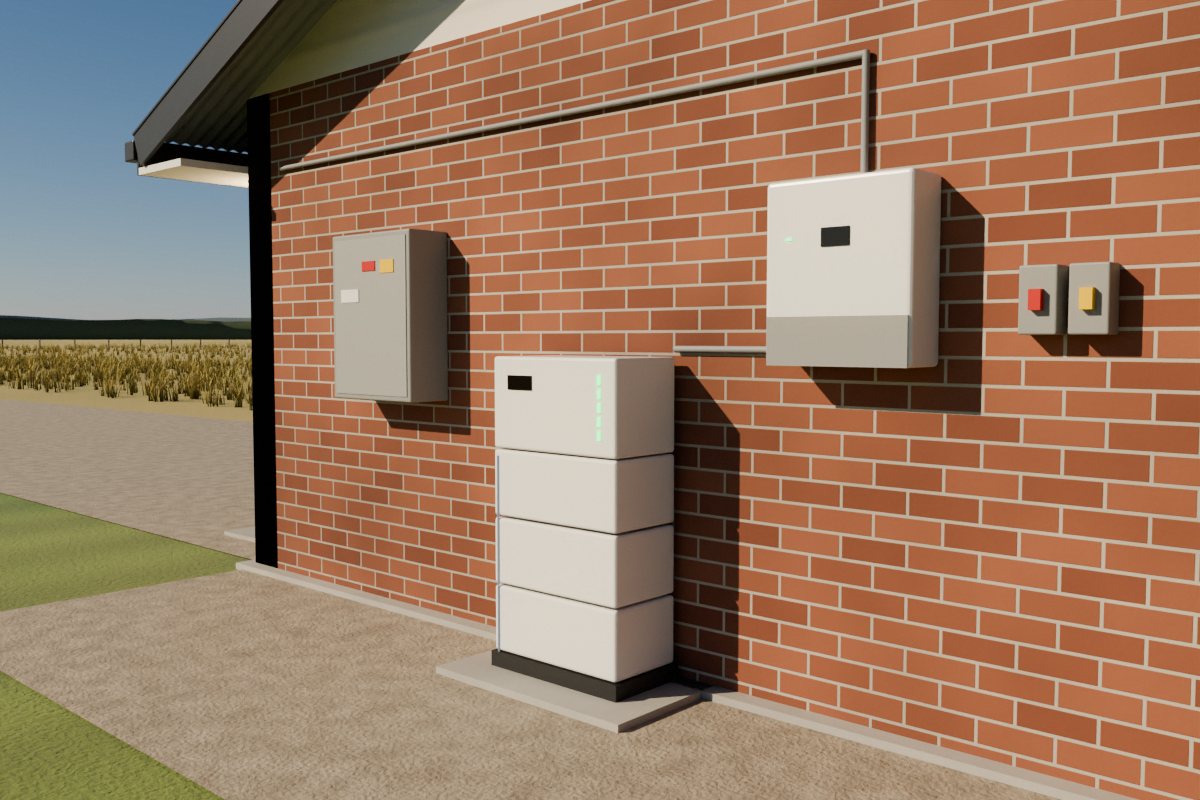
A short list on purpose. These are the panels and batteries we know, can get parts for, and can still service in ten years.
Tier-one panels, long track record in Australia, strong value per watt on residential arrays.
Panels and inverters from the same house, which keeps the monitoring and the warranty in one place. The three-phase option.
Single-phase battery systems, 5 kW or 10 kW inverter, stackable storage. Well-proven on Victorian homes.
The value battery in the range when the job is about covering the evening peak rather than full backup.
Twelve months of usage, when you use it, what phase you are on, and a look at the roof. That is what the design comes out of — not a package off a price list.
One figure, with every rebate already taken off, plus what the system should generate and what it should save. No obligation and no deposit at this point.
We lodge the Solar Victoria application and the grid connection request, and wait for approval before anything is booked. Installing first forfeits the rebate.
Accredited installers, usually one day on a house. You pay the difference after the rebate, and the interest-free loan amount goes straight to us if you took one.
Commissioning, certificate of electrical safety, meter reconfiguration with your retailer, and the monitoring app set up on your phone before we leave.
Start from your bills, not your roof. A household using around 20 kWh a day is usually well served by 6.6 to 10 kW. Add a battery, an electric car or electric heating and it moves toward 13 kW. We size it from twelve months of your actual usage.
A standard grid-connected system switches off when the grid goes down. That is a safety rule, not a fault. To keep the lights on you need a battery with backup wired in, which runs the circuits you choose until the grid returns.
It sets the ceiling. On single phase, Victorian networks typically allow a 10 kW inverter, which with panel oversizing gets you to about 13.3 kW of panels. Three phase lifts that limit, and it is what larger homes, businesses and farms run on. Your meter box tells us which you have.
It goes to the grid and your electricity retailer pays a feed-in tariff for it. That rate is low now, which is why the design aims to have you use your own power first — in the house, in the hot water, or in a battery.
It depends on when you use power. If the house is empty all day and busy at night, a battery moves your solar into the evening peak. If you are home through the day, panels alone may do most of the work. You get both versions of the quote so you can compare the payback.
The federal discount is applied on the quote, so there is nothing for you to claim. For Solar Victoria you confirm your eligibility through their portal and we lodge the retailer side. Don't install before approval comes through — a system installed early is not eligible.
The install itself is usually a day for a house. The wait is approvals: the Solar Victoria application and the grid connection both have to come back before a date can be booked.
Tell us the suburb and roughly what you spend on power, and you will get a system size, a price with the rebates off, and the expected payback. Victoria-wide, houses through to farms.